
The heat dissipation function of underwater lights is mainly related to the following factors:
Material properties
Thermal conductivity: The higher the thermal conductivity of the heat dissipation material, the better the heat dissipation performance. Commonly used heat dissipation materials include metals such as aluminum and copper, among which copper has the highest thermal conductivity, but the cost is also higher.
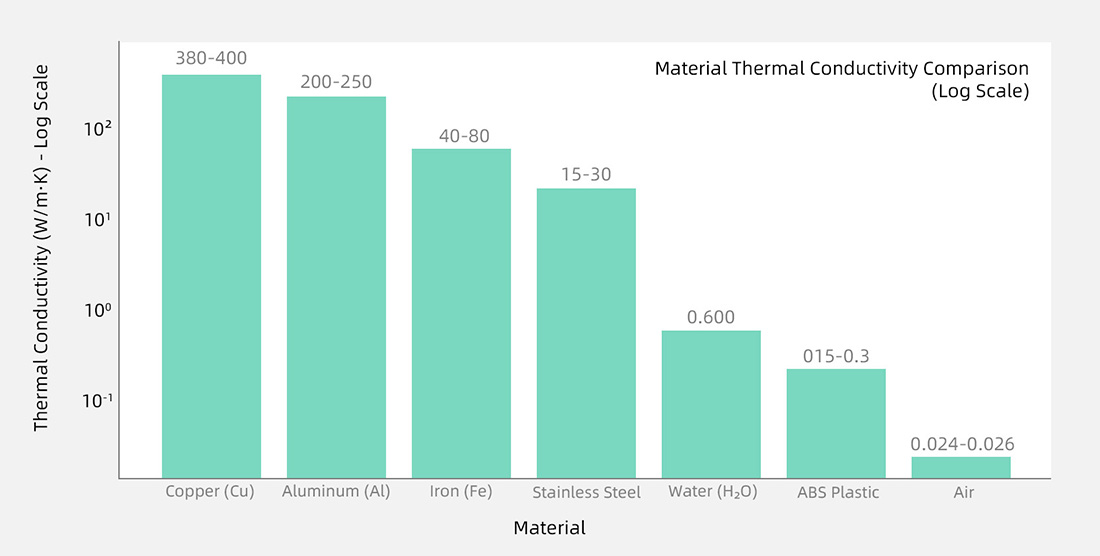
Heat capacity: The greater the heat capacity of the heat dissipation material, the stronger its ability to absorb and balance instantaneous thermal shock, thereby preventing the high temperature generated by instantaneous overcurrent from causing thermal damage to the LED device.
Heat dissipation structure design
Heat dissipation area: The larger the heat dissipation area, the better the heat dissipation effect. The heat dissipation area is usually increased by designing structures such as heat sinks and heat dissipation fins.
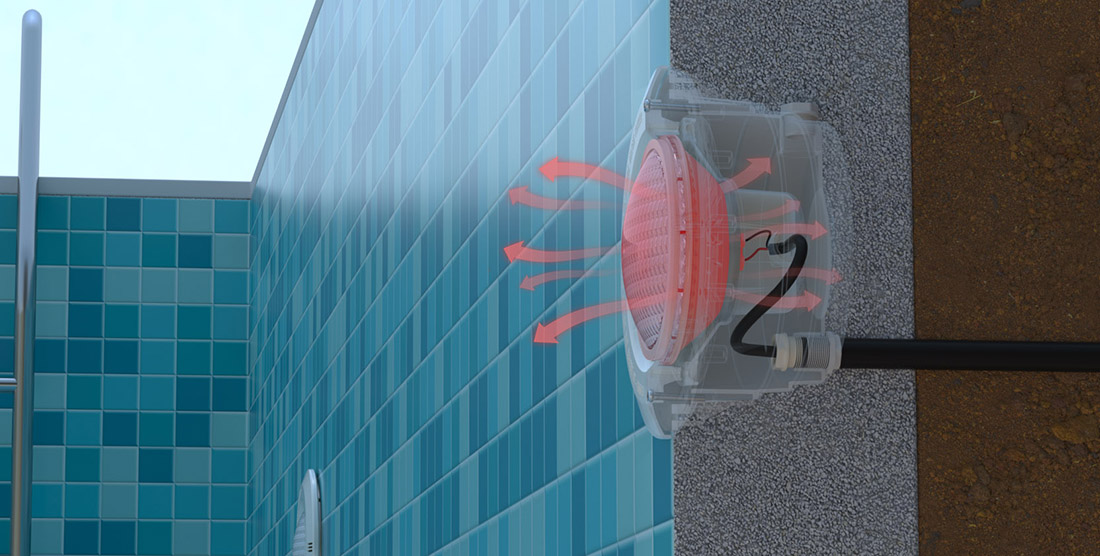
Heat transfer path: The heat sink needs to be able to quickly transfer heat from the heat source to the heat sink surface, and then dissipate the heat through air convection and radiation.
Internal structure layout: Optimizing the internal structure layout of the underwater light and reducing the distance between the heat source and the heat dissipation surface can improve the heat dissipation efficiency.
Packaging method of lamps
Packaging material: The thermal conductivity of the packaging material will affect the conduction of heat. Good packaging materials can reduce the thermal resistance of the packaging, making it easier for heat to be transferred from the LED chip to the heat sink.
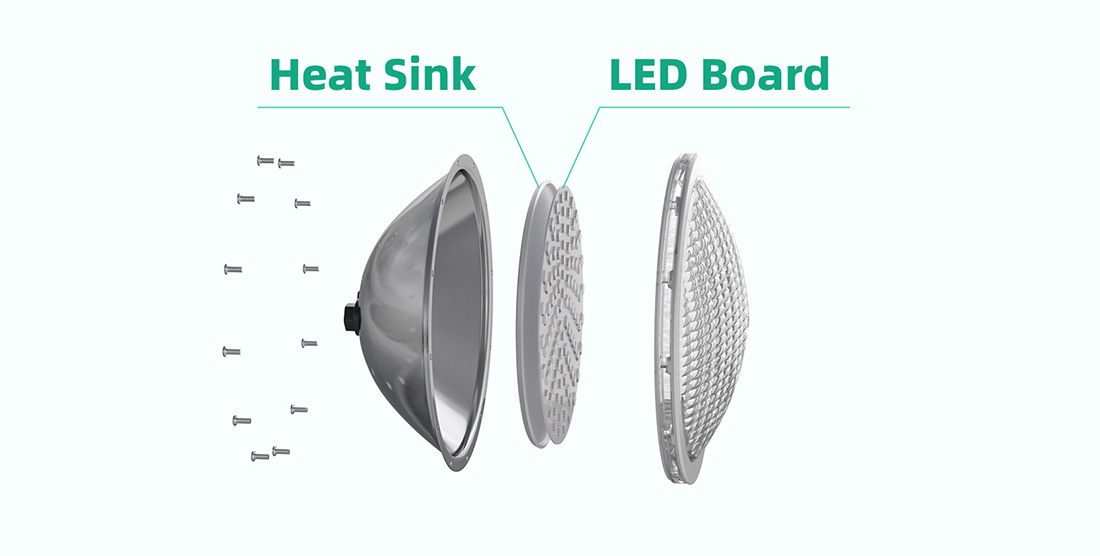
Package structure: A reasonable package structure helps to quickly conduct and dissipate heat. For example, the use of heat pipes or heat plates can effectively improve the heat dissipation efficiency.
Power and use environment of lamps
Power: The greater the power, the more heat is generated, and the higher the requirements for heat dissipation are.
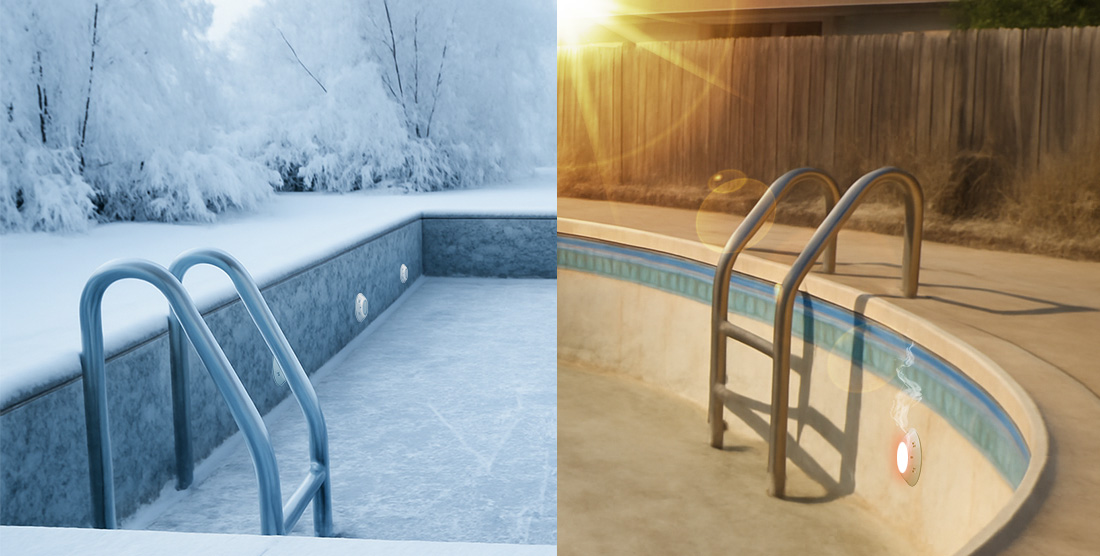
Ambient temperature and water quality: When the underwater lamp is working, the temperature and quality of the water will affect the heat dissipation effect. When the water temperature is high or the water quality is poor, the heat dissipation effect will deteriorate.
Cooling method
Natural cooling: Relying on the natural convection of air or water to take away heat, this method is simple, but the heat dissipation efficiency is low.
Forced cooling: Force air or water to flow through fans, water pumps, and other equipment to improve heat dissipation efficiency.
Water-cooled heat dissipation: Using the high specific heat capacity and fluidity of water to achieve efficient heat dissipation is a common heat dissipation method for underwater lamps.
Other factors
Chip size and material: The larger the chip size, the larger the heat dissipation area, which is conducive to heat dissipation; the thermal conductivity of the chip material will also affect the heat dissipation effect.
Current density: The higher the current density, the more heat the chip generates and the higher the heat dissipation requirements.
Post time: Dec-05-2025